
When Evacuation Is No Longer the Safest Option
Lance Bushie | Senior Associate, Emergency Management and Leadership
Preparedness is not optional: Lessons from two major industrial disasters
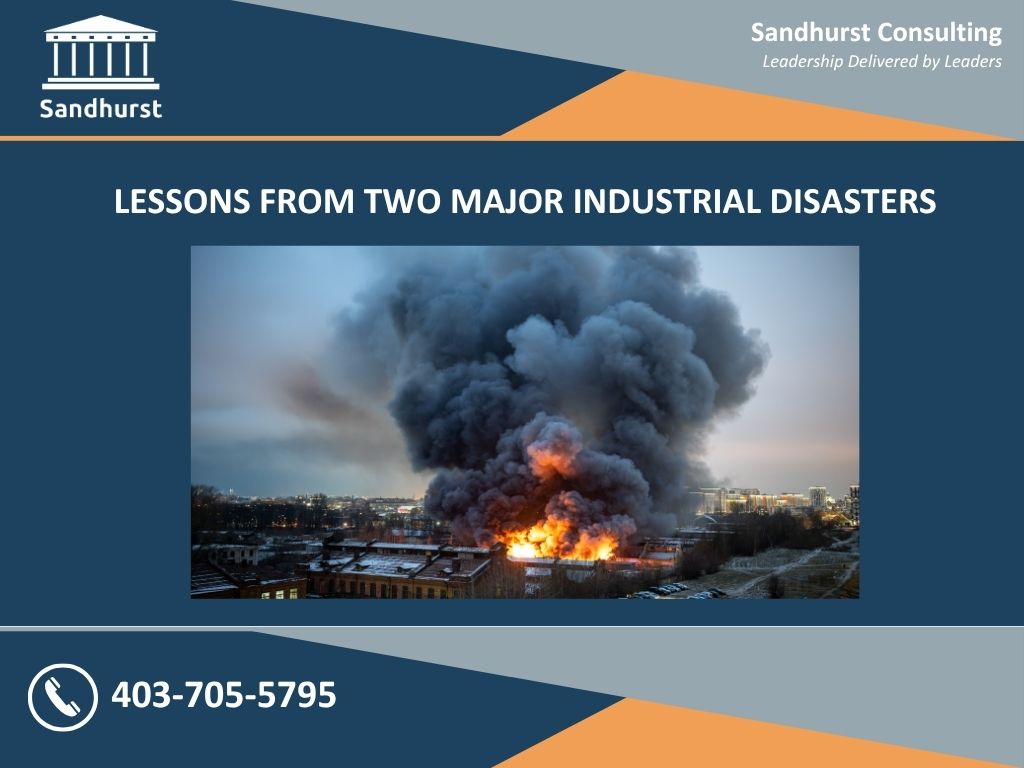
When two major chemical‑tank incidents occur within days of each other, one killing 11 workers at a Washington State paper mill and another forcing the evacuation of over 40,000 residents […]
From exercise to action: embedding operational learning into your emergency management and business continuity program

Across Canada, organizations run hundreds of emergencyexercises every year. These simulations, whether tabletop discussions or full‑scalemulti‑agencyevents, are designed to test readiness, strengthen coordination, and revealvulnerabilities before a real crisis does. […]
The 4 leadership archetypes during a crisis: which one will you be?

When a crisis threatens your brand’s reputation, the executive response becomes the defining moment. Those first hours aren’t just stressful, they’re a public stress test of leadership, accountability, and strategic […]
Keeping pets safe when disaster strikes: this National Pet Day, let’s prepare for the unexpected
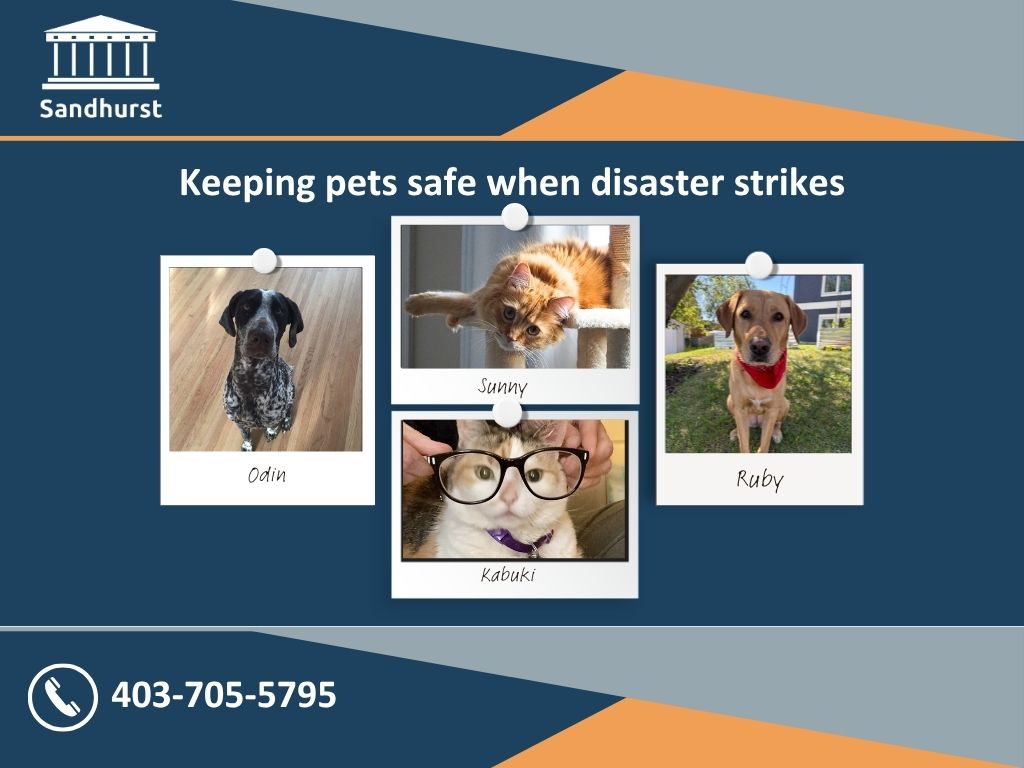
When Hurricane Katrina struck in 2005, the world witnessed not only the devastation inflicted on human communities but also the profound suffering experienced by companion animals. Thousands of pets were […]
Global Risks, Local Impacts: Business Continuity for a more fragile global supply chain
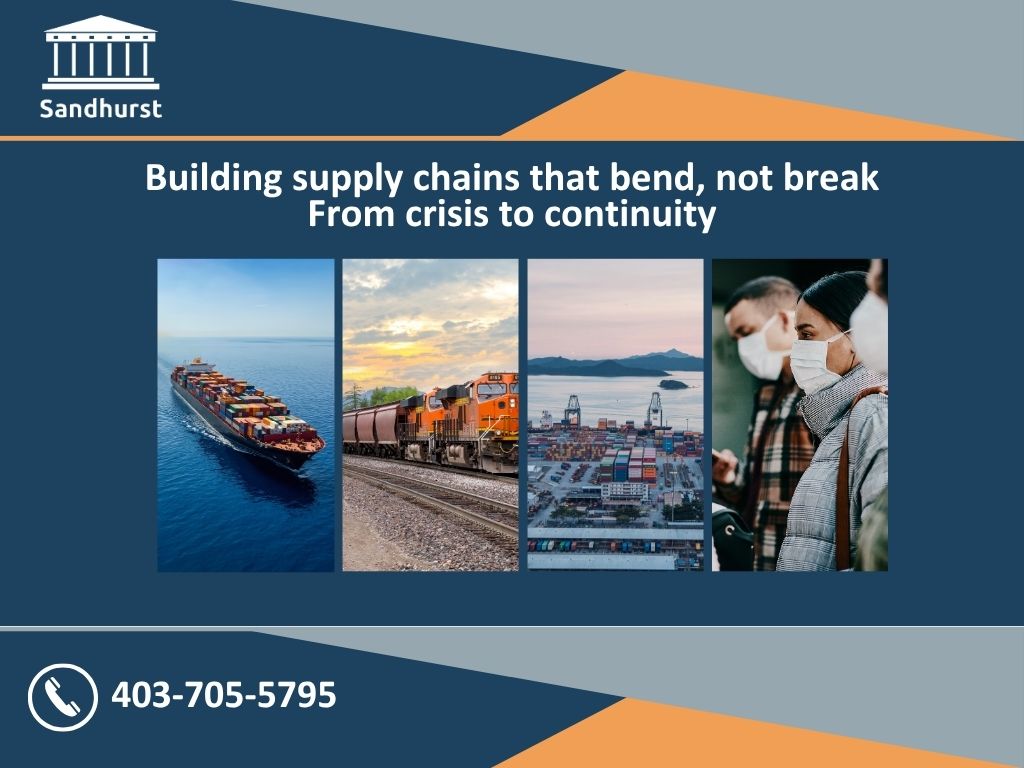
Globalization has unlocked extraordinary efficiencies: lower costs, faster production cycles, and access to worldwide talent and materials. But the same interconnectedness that powers modern commerce also exposes supply chains to […]
Women, disasters, and what emergency managers should see
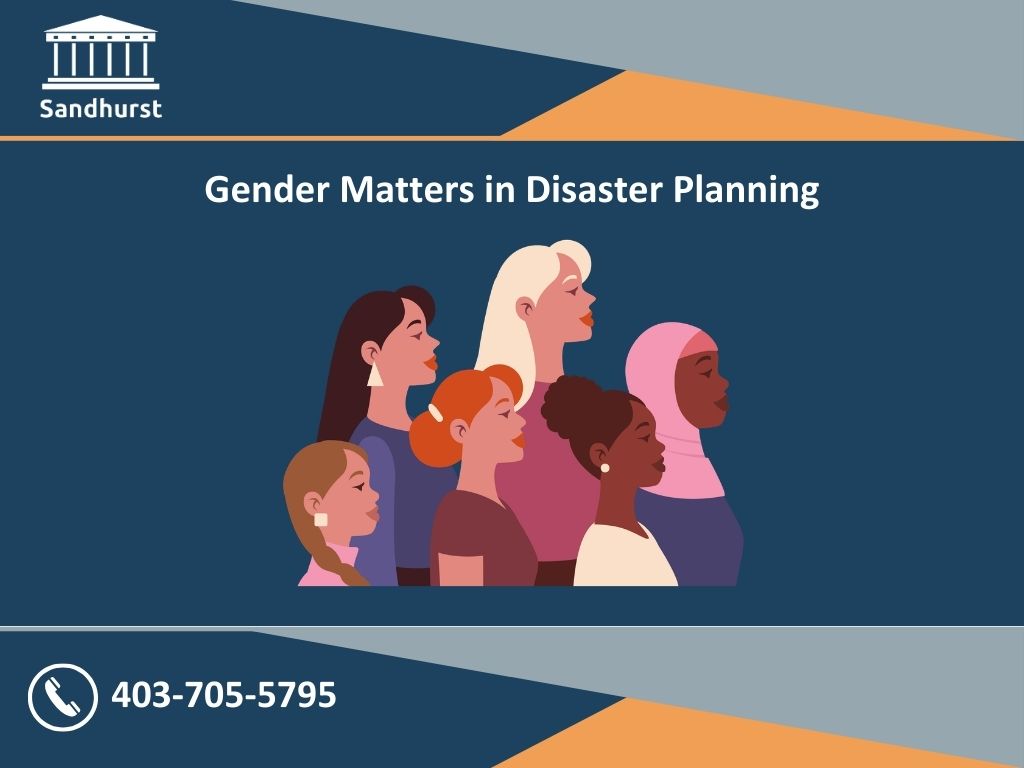
Disasters do not fall evenly across populations. For emergency management professionals charged with preparedness, response, and recovery, recognizing how disasters uniquely affect women is not an exercise in compassion alone, […]
Why wildfire season demands a new kind of leadership
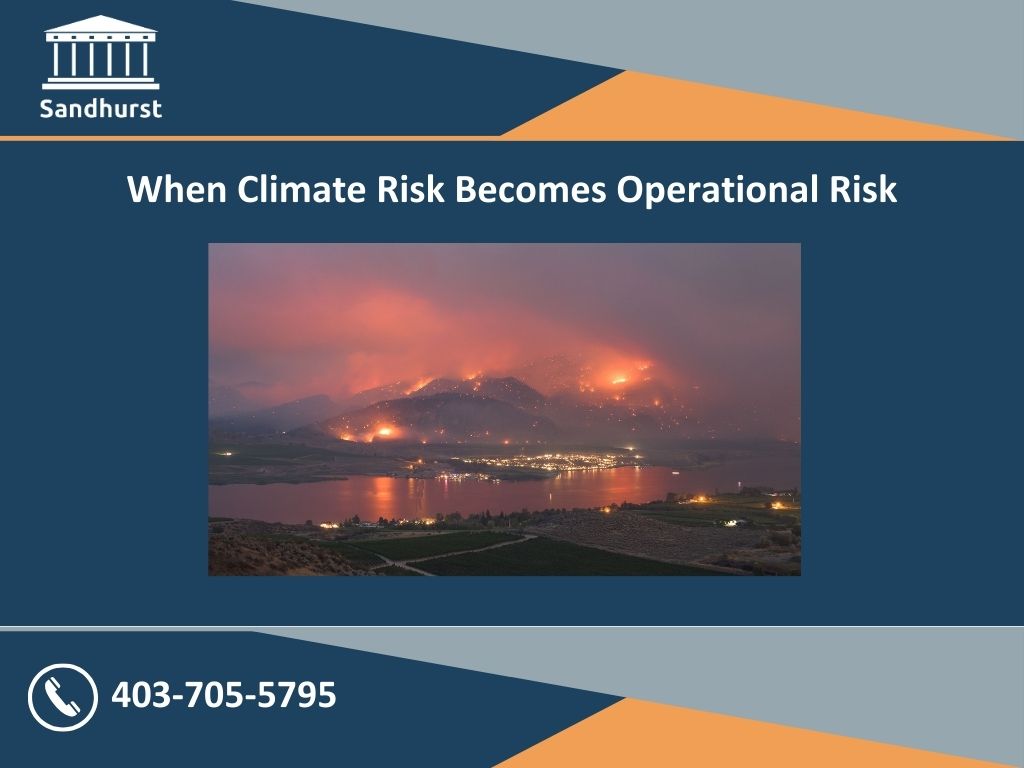
Wildfire season is no longer a seasonal inconvenience; it is a structural force reshaping how organizations operate in Canada. The combination of extreme heat, prolonged drought, and increasingly unpredictable fire […]
Metal detectors are a start, but hospital safety requires a system
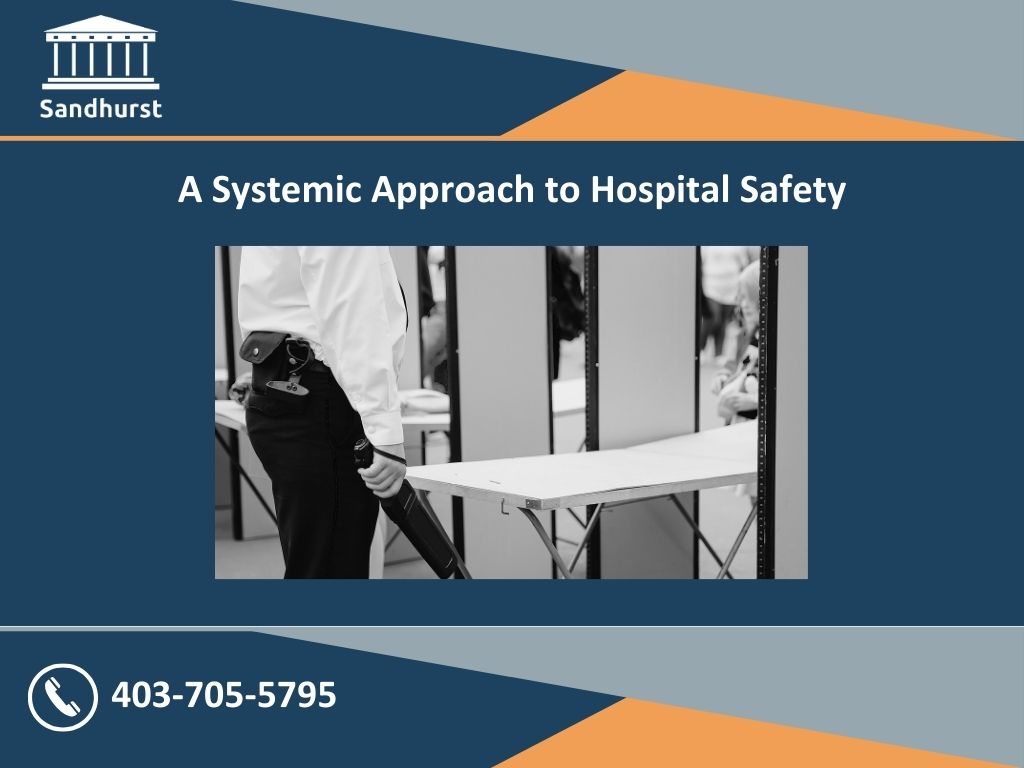
Last week’s announcement from the Saskatchewan Health Authority that metal detectors are already intercepting knives and weapons in Saskatoon and Regina hospitals shouldn’t surprise anyone working in Emergency Management or […]
Elevating Industry Standards: The Alberta Energy Regulator’s updated emergency management requirements
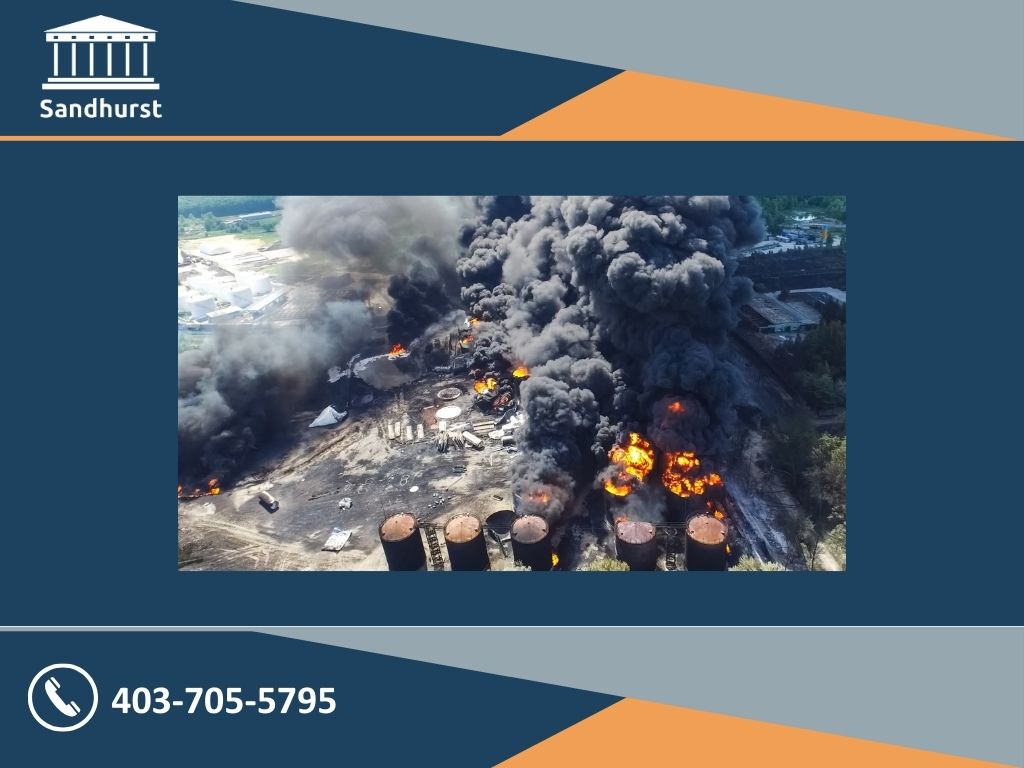
On October 17, 1982, a routine drilling operation near the tiny hamlet of Lodgepole, Alberta, erupted into one of the province’s most harrowing industrial nightmares: the Amoco Dome Brazeau River […]