Fire and life safety programs are about far more than checking a box on a compliance form. At their core, they’re about protecting lives by making sure people, buildings, and procedures are ready to respond effectively when something goes wrong. A strong fire and life safety program focuses on enhancing life safety through verifying competency; it’s not enough to have a plan on paper, people need to understand it, practice it, and be able to execute it under stress. That’s where a structured, well-designed program comes in.
The four phases of an effective fire and life safety program
A modern fire and life safety program can be understood in four key phases.
1. Education: Simply put, people can’t follow procedures they don’t understand. Education is about explaining how building systems work, who does what when an alarm goes off, and understanding why certain procedures exist.
2. Prevention: The safest incident is the one that never happens. Prevention includes identifying hazards, mitigating risky behaviors, and ensuring fire and security systems are maintained and functional.
3. Enforcing good behaviour: Safety culture matters. This phase sets clear expectations, corrects unsafe habits, and reinforces that safety is never an afterthought.
4. Practicing an effective response: In emergencies, people fall back on what they’ve practiced. Drills and tabletop exercises validate procedures, communication lines, and decision-making under realistic conditions.
These four phases apply to both commercial and residential settings, but they often look very different in each. Most formal fire and life safety training happens in the commercial sphere, where regulations, liability, and business continuity pressures tend to drive higher standards.
The residential fire and life safety problem
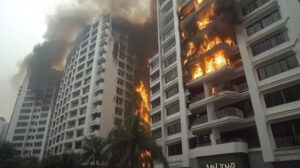
High-profile residential fires have shown why building and fire codes must be stringent and why fire and life safety programs are essential to minimizing loss of life and loss of property in the event of an emergency. In the residential sphere (think multi-dwelling units), there is often a significant gap between what’s on paper and what actually happens. Many condo and apartment buildings only meet the minimum regulatory requirements, with less pressure to review, practice, and test plans compared to commercial properties. Common issues seen during evacuations include:
- No on-site staff tracking who is leaving and who may be left behind.
- Confusion among residents on where to go, who to contact, or what to do.
- Limited, weak, or inconsistent coordination and communication between residents, building management, and emergency services
Why residential risk is different
Residential buildings face unique and often more complex challenges compared to many commercial environments due to three factors:
1. Higher hazard exposure: residential settings are exposed to fire hazards like cooking, candles, fireplaces, space heaters, smoking, and unattended electrical devices at a much higher frequency than in commercial settings.
2. Higher population of vulnerable persons including children, elderly residents, people with mobility or cognitive limitations, and individuals who may not speak the primary language used in building communications.
3. Behavioural factors such as complacency, fear of leaving belongings or pets behind, and a lack of formal training.
All factors can contribute to situations where people fail to respond appropriately to an emergency. This means that a residential fire and life safety program must be more than a binder on a shelf. It needs to be a living system that people understand and apply.
Shared responsibility
Effective residential programs require accountability across stakeholders.
- Condo / Strata / Co-op Board (if applicable): set expectations, policies, and budgets, and approve and oversee fire and life safety activities.
- Property management companies: implement the program, coordinate training, drills, inspections, and communications, understand vulnerable populations within the building, and ensure life safety systems are maintained.
- Residents: understand and follow procedures, participate in drills and training opportunities, and take responsibility for safe behavior in their own units.
Without this shared accountability, gaps will form, and those gaps often show up at the worst possible moment.
Training in practice
A strong fire and life safety program depends on having the right people trained at the right levels.
In residential settings, accountability is shared, but engagement is often low. Training and clear communication can help close that gap. In residential buildings key groups who should be involved include:
- Property managers and board members: acting as the primary lead for implementing and enforcing the fire and life safety program and coordinating with emergency services when an emergency occurs.
- Building occupants: all residents should have a clear understanding of evacuation routes and assembly points, how their own behavior affects everyone’s safety, and the expectations of them during an emergency.
- Floor Wardens: if a residential building has Floor Wardens, they should be provided training on how to safely lead an evacuation on their floor, assist vulnerable residents, and communicate status to building management.

Commercial Building Fire & Life Safety
The expectation in commercial buildings is that trained leaders guide untrained occupants but that only works if the leaders are properly prepared. The goal is a team that doesn’t just know the plan but can confidently execute it under pressure. In commercial environments, training should focus on:
- Building managers: should have a strong understanding of the facility’s Fire Safety Plan and the facility’s design including what systems are in place to protect people (e.g., fire doors, stairwells, refuge floors, suppression and detection systems), and how these systems support different response strategies (e.g., shelter-in-place vs. evacuate).
- Supervisory staff: managers, team leads, and anyone responsible for groups of people need the knowledge and confidence to direct others in an emergency.
- Security teams: often first to receive alarms or reports of issues. Their training should reflect their role in investigating, alerting and escalating a response, and coordinating with emergency services and building occupants.
- Floor Wardens need an understanding of their role, their responsibilities, and how to execute the appropriate response actions for the emergency.
- Tenants and general occupants don’t necessarily need advanced training, but must understand basic evacuation routes, assembly points, and shelter-in-place procedures.
Building a program that truly protects people
A fire and life safety program that truly protects people goes beyond minimum code requirements. It emphasizes competency and integrates education, prevention, behavior, and practice into a cohesive system. Strong programs also adopt an all-hazards approach, ensuring that the same processes for protecting occupants apply whether the threat is fire, flooding, security events, or another emergency. To make these plans effective, they must be tested regularly through drills and tabletop exercises that walk participants through the entire lifecycle of an incident, from hazard recognition to response and resolution.
When education is ongoing, hazards are actively managed, good behavior is reinforced, and responses are practiced regularly, buildings, and the people in them, are far better prepared. In a world where one incident can result in catastrophic loss of life and massive displacement, treating fire and life safety as a living, evolving program rather than a static obligation isn’t just good practice, it’s a moral imperative.
True safety comes from a program that is practiced, lived, and trusted. At Sandhurst Consulting we design and deliver fire and life safety programs that go beyond the minimum standards to truly protect people, property, and your peace of mind. From commercial facilities to residential communities, we provide customized training, hands-on experience, and ongoing program support that empowers occupants and leaders alike to respond effectively when it matters most. With our expertise, you won’t just meet requirements, you’ll create a culture of safety that lasts.